The New Original Works (NOW) at REDCAT, in the heart of downtown LA, is a long-standing three-week festival that features a unique three-part bill each week. This year, the festival opened with a bang, hosting a surreal music experience by Eliza Bagg, Rohan Chander, and George R. Miller; a somatic storytelling ritual by Meena Murugesan; and a triumphant dance work by Bernard Brown of bbmoves.
Author’s Note: Since I write mostly about dance, I do want to clarify that I am not a specialist in all of the arts forms nor contexts presented in this showcase. As with all of my reviews, I write with the intention to document my experience of the work as an audience member with the intent to support the artists in their creative process and the producers who support local dance artists taking meaningful risks. In this particular case, I admit I felt stretched to the edges of my positionality and former knowledge, but also welcomed as a guest into the spaces of creative vulnerability for which I was grateful and honored. I hope this sentiment resonates in the following review.
The 21st season of the festival opened on November 7th and welcomed a packed house for the 8:30 pm start time. The stage setting transported the audience into a poolside world with a white plastic lounge chair, a small radio, pink plastic flamingos, a kiddie pool, and a large inflatable fish. The piece, 7 Early Songs, began with vocalist and co-composer Eliza Bagg lying on the chaise lounge chair, wearing a sleek black one-piece bathing suit with white piping along the edges. Throughout the performance, we witnessed Bagg in her mundane, modern world, her body languid and heavy with the heat of summer. The new compositions were adapted from 20th-century twelve-tone composer Alban Berg’s Sieben Frühe Lieder (c. 1905–1908). True to the twelve-tone style, the song cycle had flexible melodies that floated through space and time without a strong anchor to either meter or traditional chorus-verse structures.
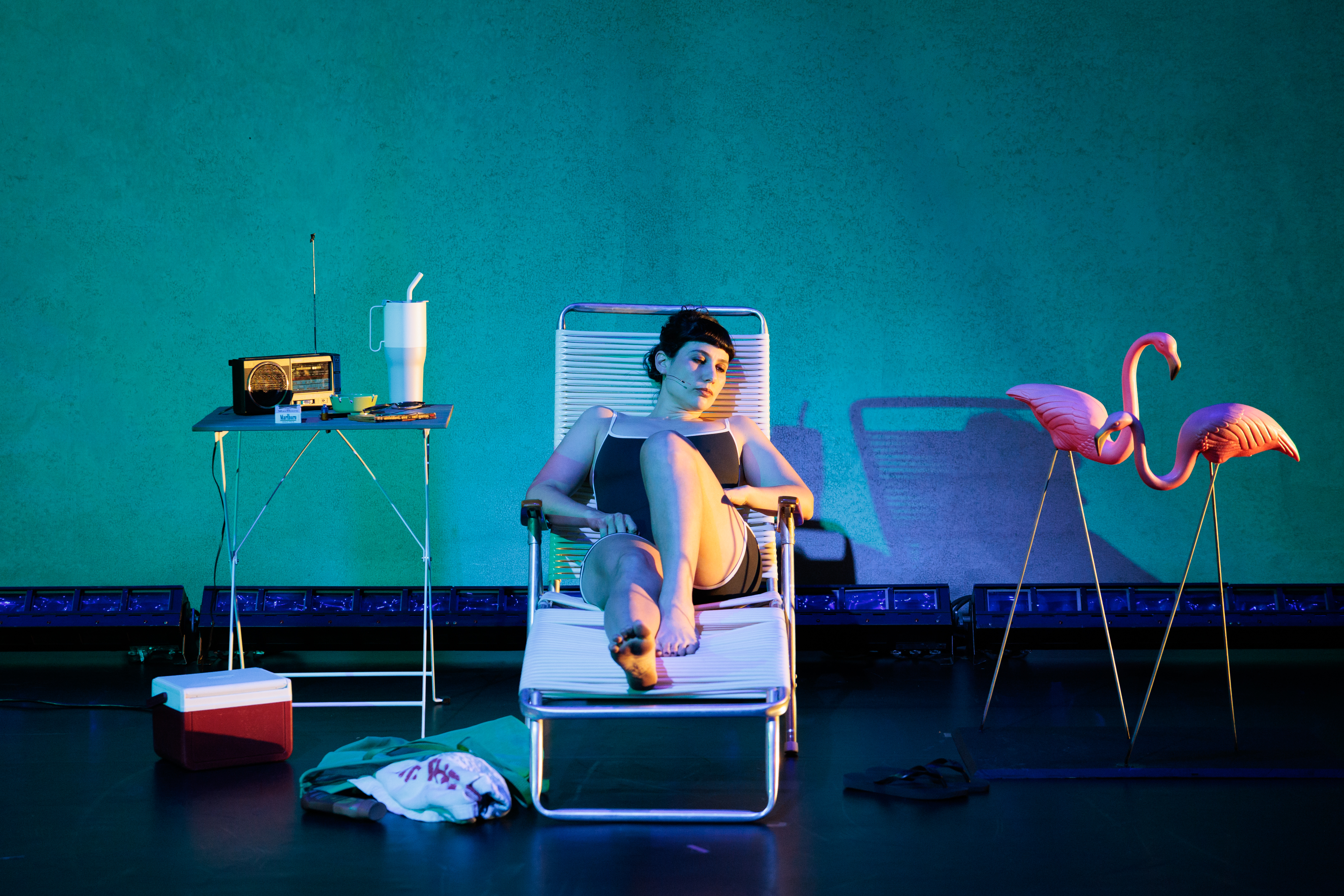
Photo by Angel Origgi.
Bagg worked with co-composer and music producer Rohan Chander to transform the eerie melodies with washes of pre-recorded sound underneath the live vocals. The shape of the music ranged from driving guitar riffs to walls of atmospheric sound that played with texture, sound production, and design. Director George R. Miller crafted the minimalist staging with patience, often electing long periods of stillness while the prerecorded music washed over the space. Every detail seemed carefully choreographed, from the slide of Bagg’s hand against her skin to her gaze shifting in and out of focus, lending purpose and clarity to each moment. Often dreamlike and slow, occasionally quick and alert, the work allowed reality to be manipulated into something surreal.
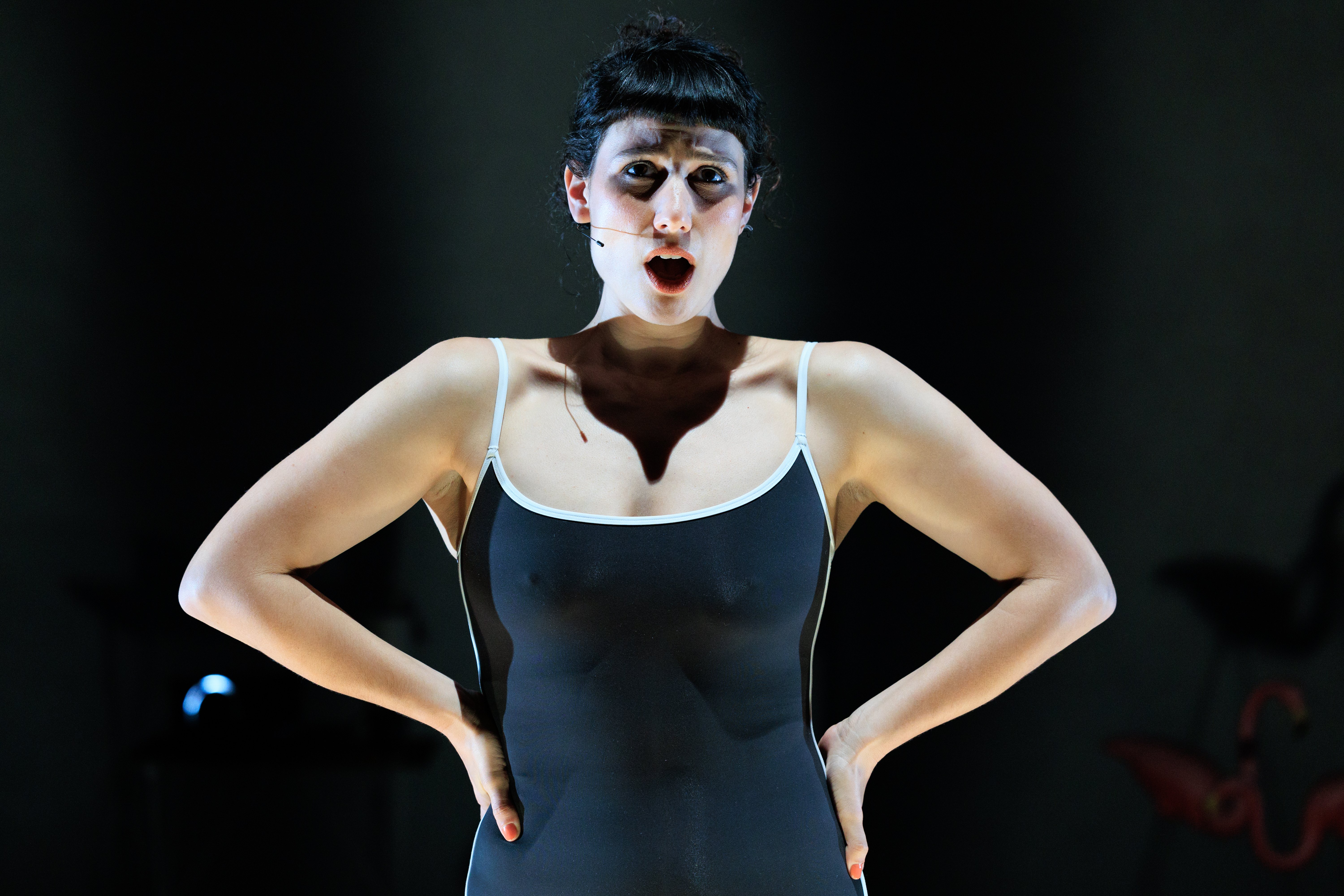
Photo by Angel Origgi.
Lighting design by Kaitlyn Trimble further enhanced the scenic and prop design choices by John Pete Hardy. The lighting was often very directional, with additional lighting instruments set on the stage to easily isolate Bagg. A recurring theme of straw-colored light heightened the discomfort of the summer heat, while additional colorful outbursts contrasted the dominant languid tone. I overlooked where to access the libretto ahead of time, so I relied on the shifting lights and staging to follow the arc of the work.
Upon some quick post-show research, the original German lyrics express images of summer, dreams, the soul, love, and pleasure, including colorful imagery of water, roses, and birdsong. The soul-searching sentiment in the libretto was reflected in the imagery of prayer as Bagg knelt at the kiddie pool and later stood with her eyes gazing upward, albeit toward an airborne inflatable fish. I do believe the piece may have benefited from additional context for Berg’s original work. For instance, the line “Trinke Seele! Trinke Einsamkeit! O gieb acht! gieb acht!” I understood as “Drink, Soul! Drink in loneliness! Pay attention! Attention!” In hindsight, I was able to appreciate the work by contrasting the Romantic imagery of the original text with the stark reality portrayed in this rendition. Was this woman to wake up? Or go to sleep is a fit of disillusionment?

Photo by Angel Origgi.
Bagg’s voice was lovely, both powerful and dynamically sensual, and its relationship to the world of dismay and discontent was palpable. In the end, it seemed this work was an opportunity to witness a beautiful woman misplacing her search for deeper meaning between a plastic lounge chair and a flimsy pool towel.
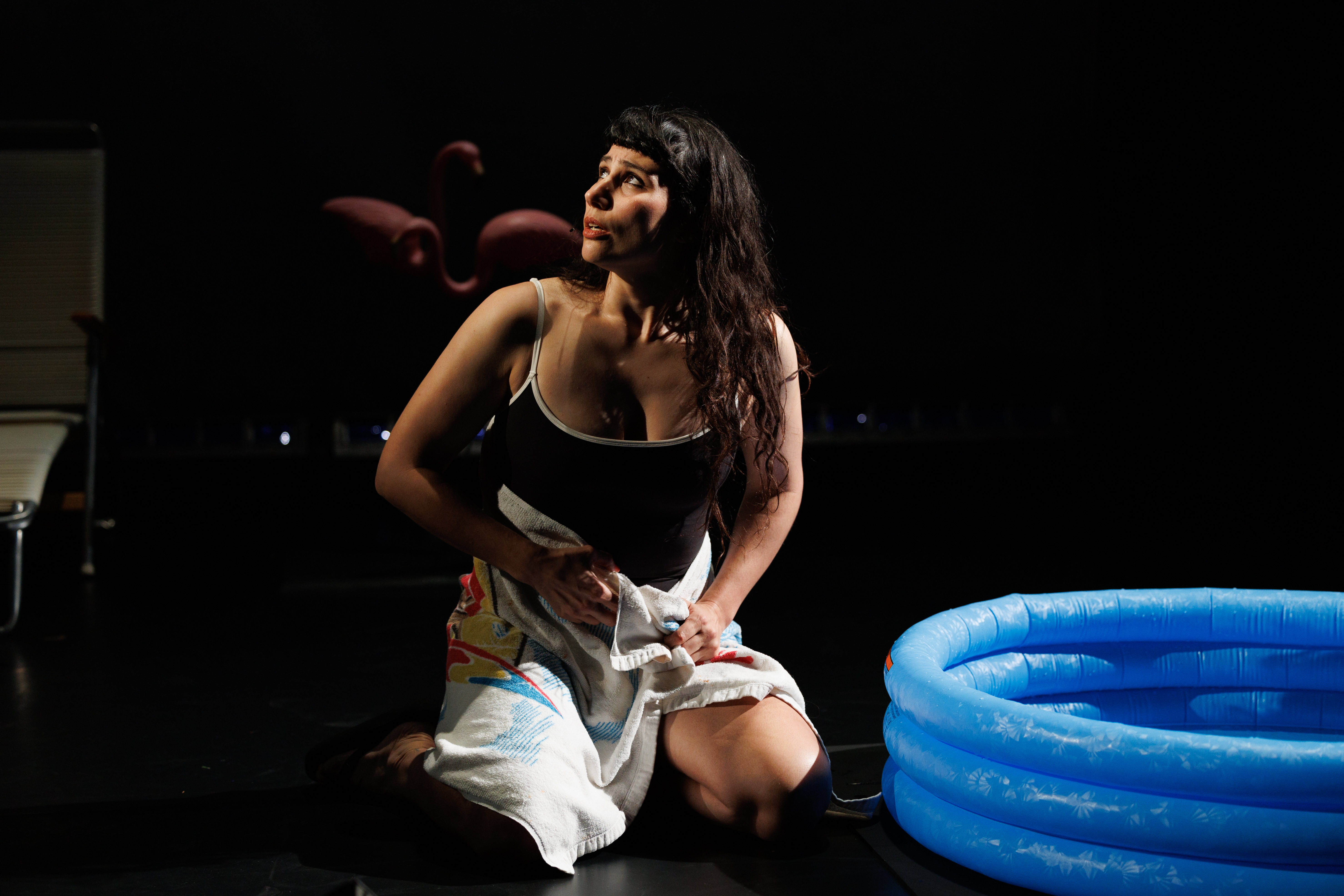
Photo by Angel Origgi.
The second work of the evening was Dravidian Futurities: Chapter II by Meena Murugesan. A collaborative storytelling project with a team of performing co-designers and creators, this piece centered around an oceanic crossroads of cultures and histories now sunken at the point where Sri Lanka, South India, East Africa, and West Asia meet. “Dravidian” is a term used to describe the people and language of the region, and rightly pointed to the intent of the work; however, the reference to the second chapter was unclear and not explained in the program. The poetry by D’Lo anchored the work as a piece of embodied storytelling, encapsulated by a multimedia collage including video by Murugesan, production design by Susua Attar, music composition by Seema Hari, and a large interactive textile sculpture by Murugesan and Attar.
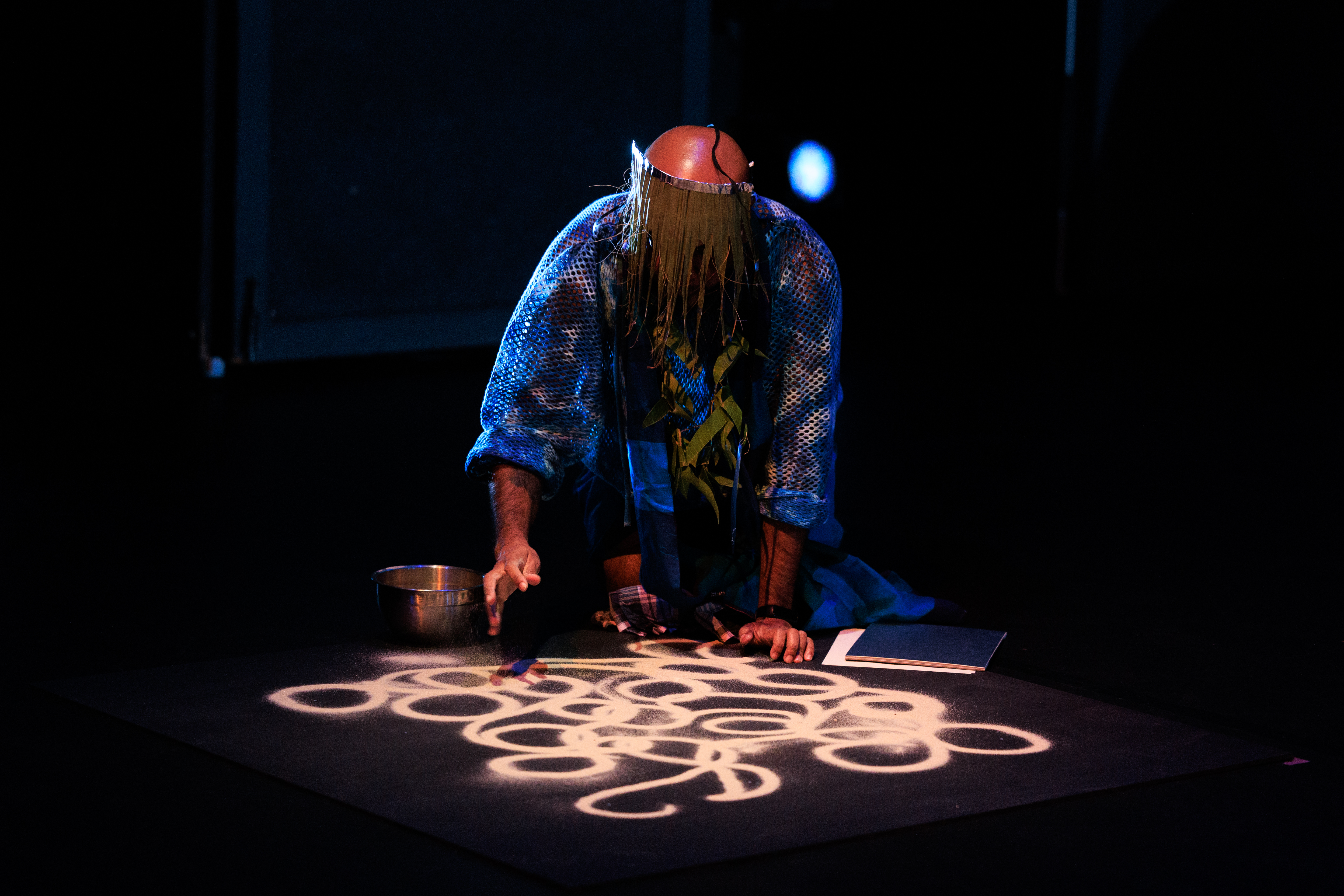
Photo by Angel Origgi.
The immersive experience arguably began before the performance itself, as the REDCAT crew reset the stage in blue light, accompanied by ocean sounds and prerecorded storytelling about a harbor seal’s responsive ability to slow its heartbeat while diving. This extensive transition featured the hanging of a large textile sculpture like a seaweed forest, resembling a tent with tendrils stretching across the stage floor, creating a submerged environment. While the transition facilitated a shift into a somatic and even metaphysical approach to art-making, it ended up taking some of the attention away from the work itself.
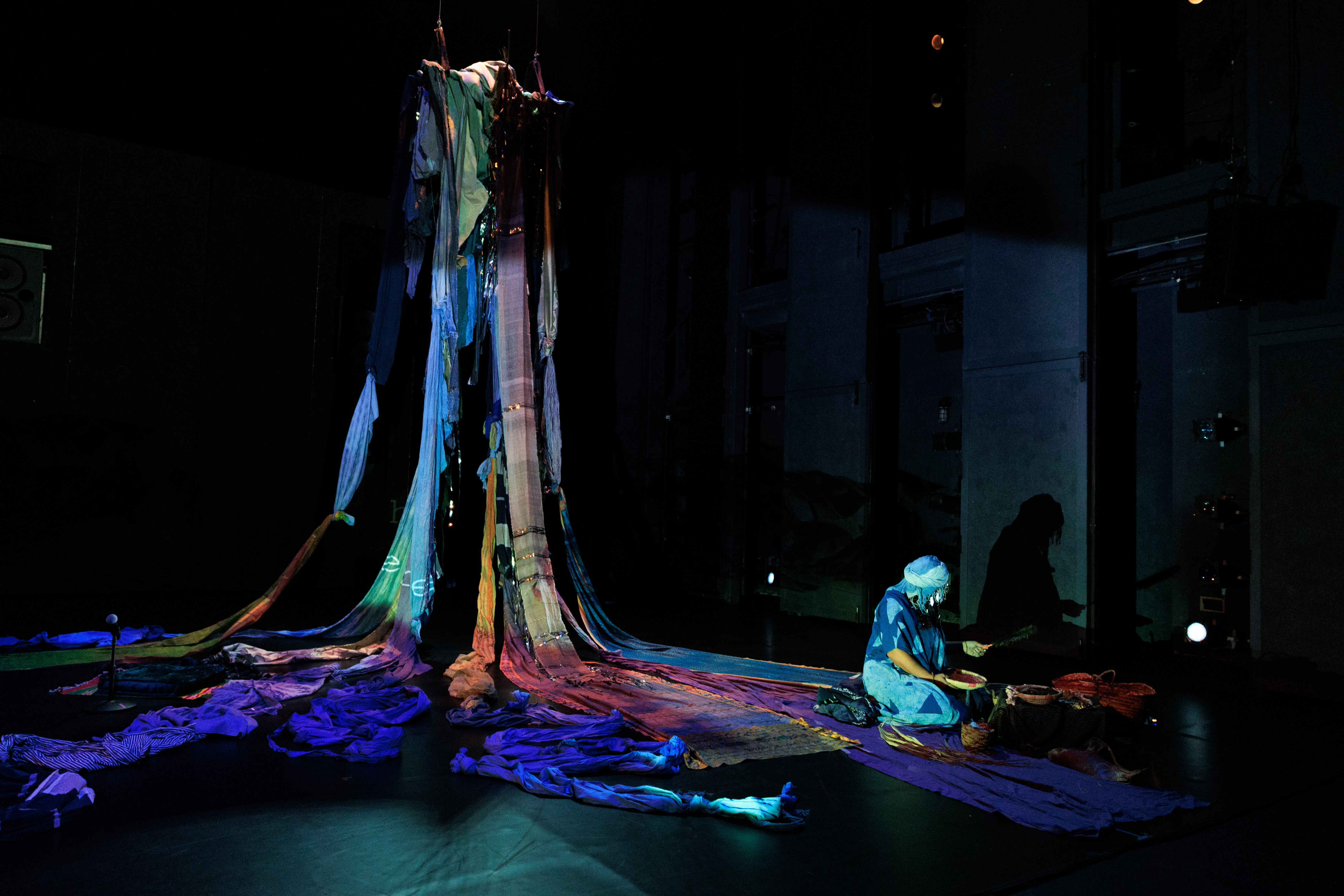
Photo by Angel Origgi.
This piece had so many design components that it is hard to recreate in words: there was video of Murugesan lying like an underwater mountain, images from Dravidian celebrations, and news footage of politcal unrest sequenced one after the other; there was a sand drawing by D’Lo in the downstage right corner balanced by an altar of woven baskets and items in the opposite corner; there was repetitive stepping movement performed by Attar and Hari; and there was prerecorded underscoring for the duration of the work. The result was a somewhat overwhelming collage of media, but collectively had a timeless, watery effect, as one design element seeped into the next and blended with what came before and after. It was, at times, disorienting, but I appreciated how this boundaryless approach to the performing arts contrasted strongly with the distinctly curated qualities of the preceding work. IT seems Murugesan was sharing a piece that was as much a ritual experience as it was a performance.
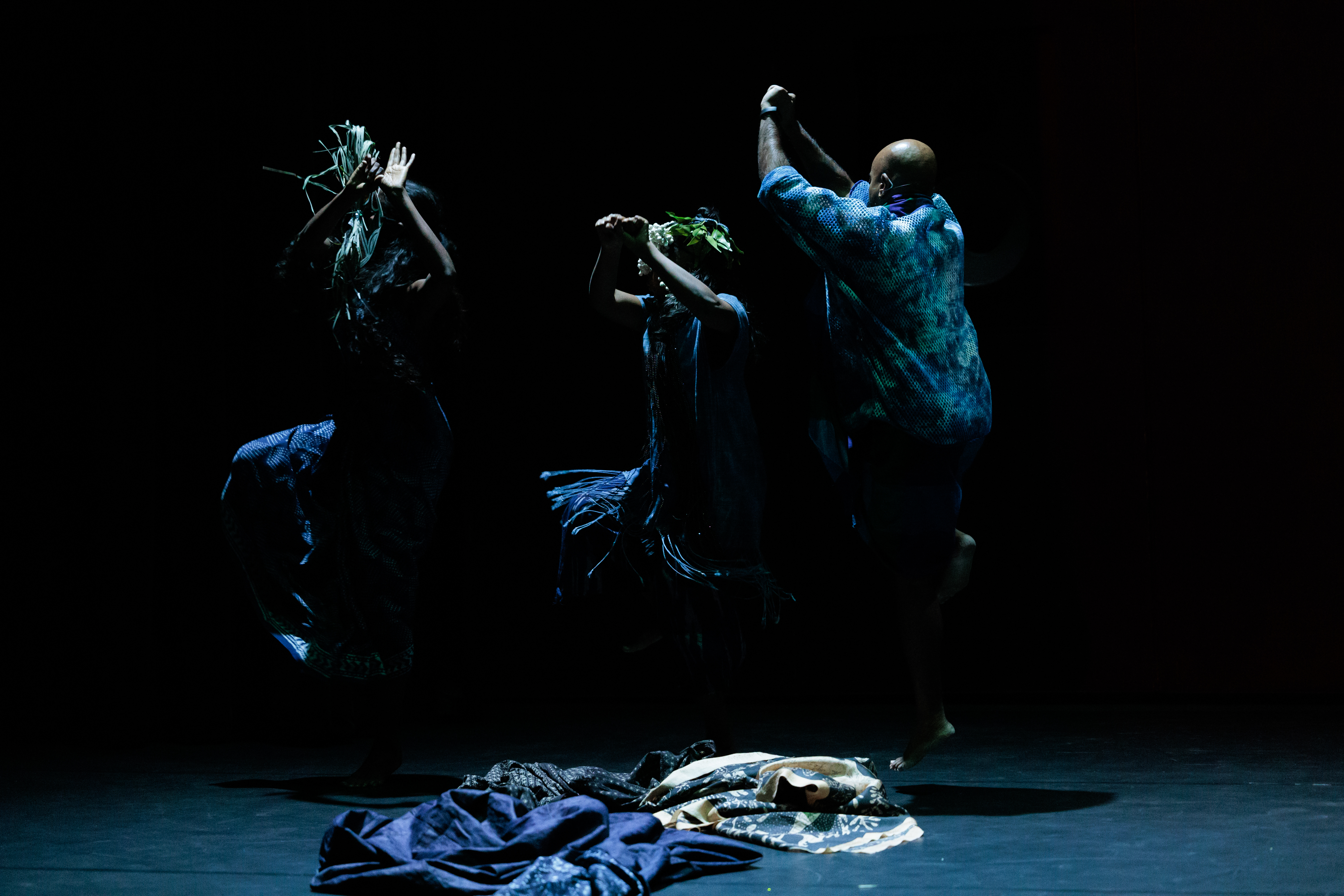
The piece emphasized the performers’ connection to each other and the set, with blurred lines of identity and voice. Initially, it was unclear who was speaking, as the prerecorded voice from the transition added to the ambiguity. While this occasionally pulled me out of the experience as I tried to identify speakers, it also resonated with the work’s exploration of metaphysical souls across time and place.
The movement vocabulary of the work reinforced the idea of expansive connections, beginning with two mysterious entities shrouded in fabric, slowly crawling, reaching, and creeping along the ocean floor. The dancers then revealed their human figures while still masked. The movement of the masked dancers evoked images of travel, migration, celebration, and rhythmic connection. Stepping, stamping, and simple repeated hopping created a strong sense of folk dance unity beyond there being only two individuals. Patterns transitioned organically, with one individual making a movement offering picked up by the other. Eventually, all of the performers joined in the dance in curving pathways through the space. The work culminated with the four performers seated in a circle, each telling an origin story of their ancestors while braiding each other’s hair. The lights slowly faded on the performers as they continued the theme of braiding while weaving together the strands of the textile sculpture into new futurities.
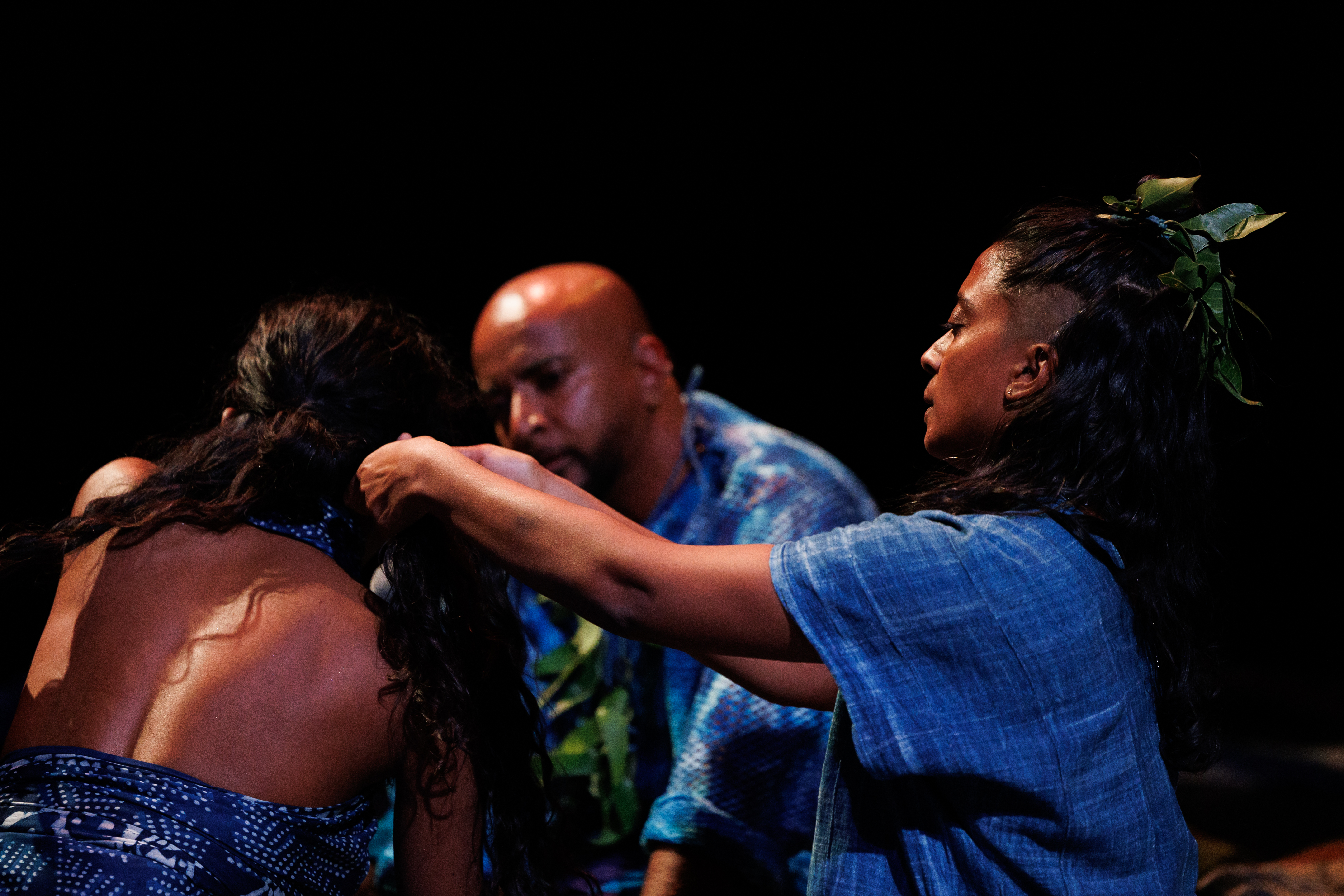
The deep blues and aqua lights by Chu-Hsuan Chang suited the underwater world being created, illuminating the figures while keeping the projections on the back wall clear. The work’s many elements risked being diffuse, but Murugesan’s collaboration with dramaturg d. Sabela grimes resulted in a piece with both visual and sensory consistency. While the words didn’t convey a strict narrative, the piece clearly told a heartfelt story from these artists.
After a 15-minute intermission, the audience was already nearing the stated 90-minute mark. I was a little sleepy after the slow-paced, meditative programming up to this point, but the evening didn’t end on a sleepy note. In contrast, the mood shifted the moment live DJ DeFacto X dropped the beat for Bernard Brown’s Sissies: Something Perfect Between Us. From the first moment, the air became electric, full of charisma, sex appeal, and power. Alex Perez, Charles Pierson, Damon Green, John Santos, Joseph Stevens, Maxima Lyght, and Malachi Middleton commanded the space.
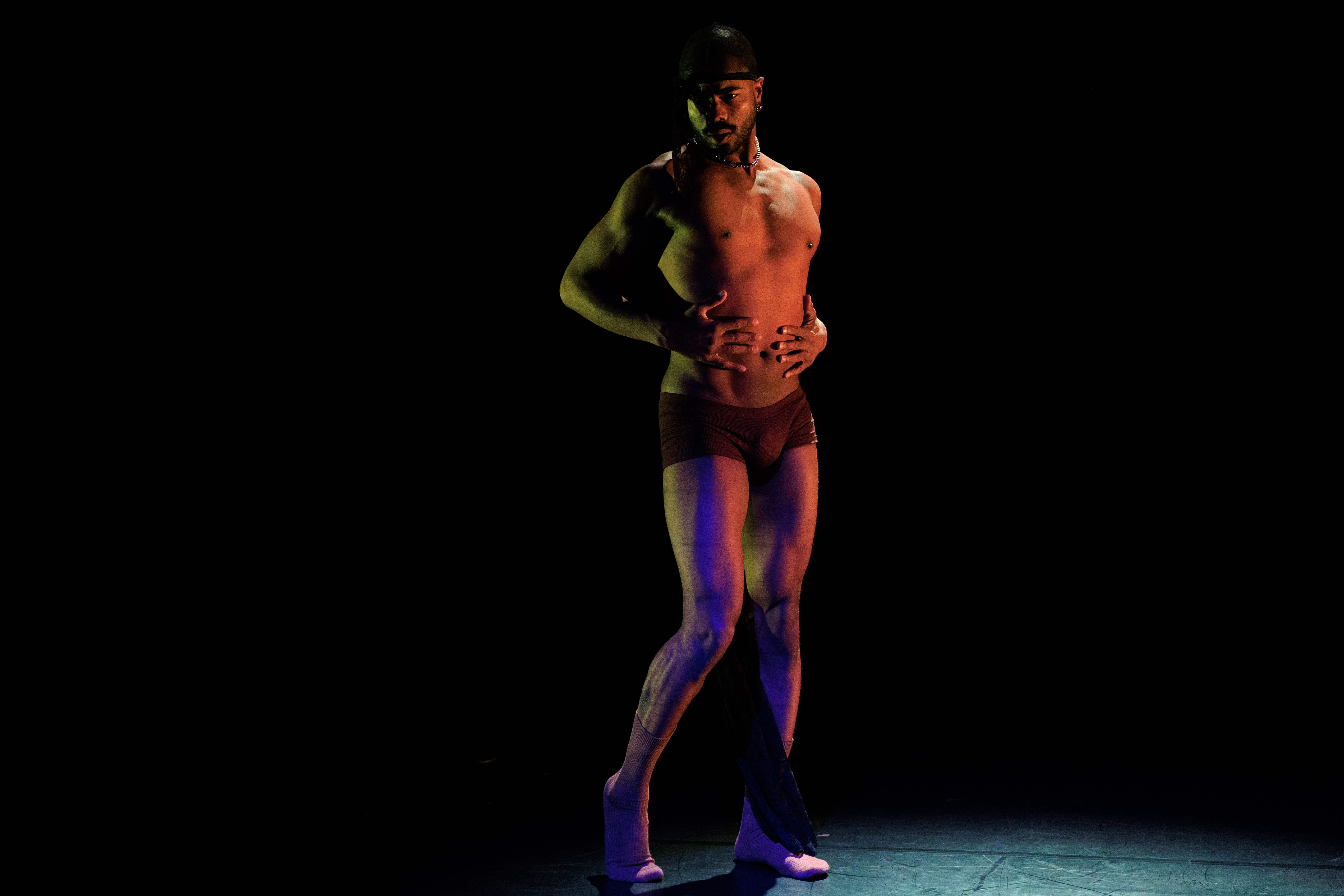
Photo by Angel Origgi.
A lone figure stood facing away from the audience in a spotlight (lighting by Chu-Hsuan Chang) and slowly walked backward downstage before turning to engage the audience with direct focus and sensuous energy. The remaining cast appeared scattered around the space, some close together, heads and pelvises near, others watching from the shadows. The pre-party moment was intimate and provocative, with dancers in flesh-toned shorts and one showcasing an incredible durag by Damon Green. After the pre-party vibe, costume designer Arrington Fleming dressed the dancers in flamboyant club clothes including sequined jackets, bell bottoms, oversized coats, and hot pink sports pants, delivered on a motorized line that acted as a literal closet for the fashion-forward characters. DeFacto X set the tone with music that propelled the action forward with a strong disco vibe.
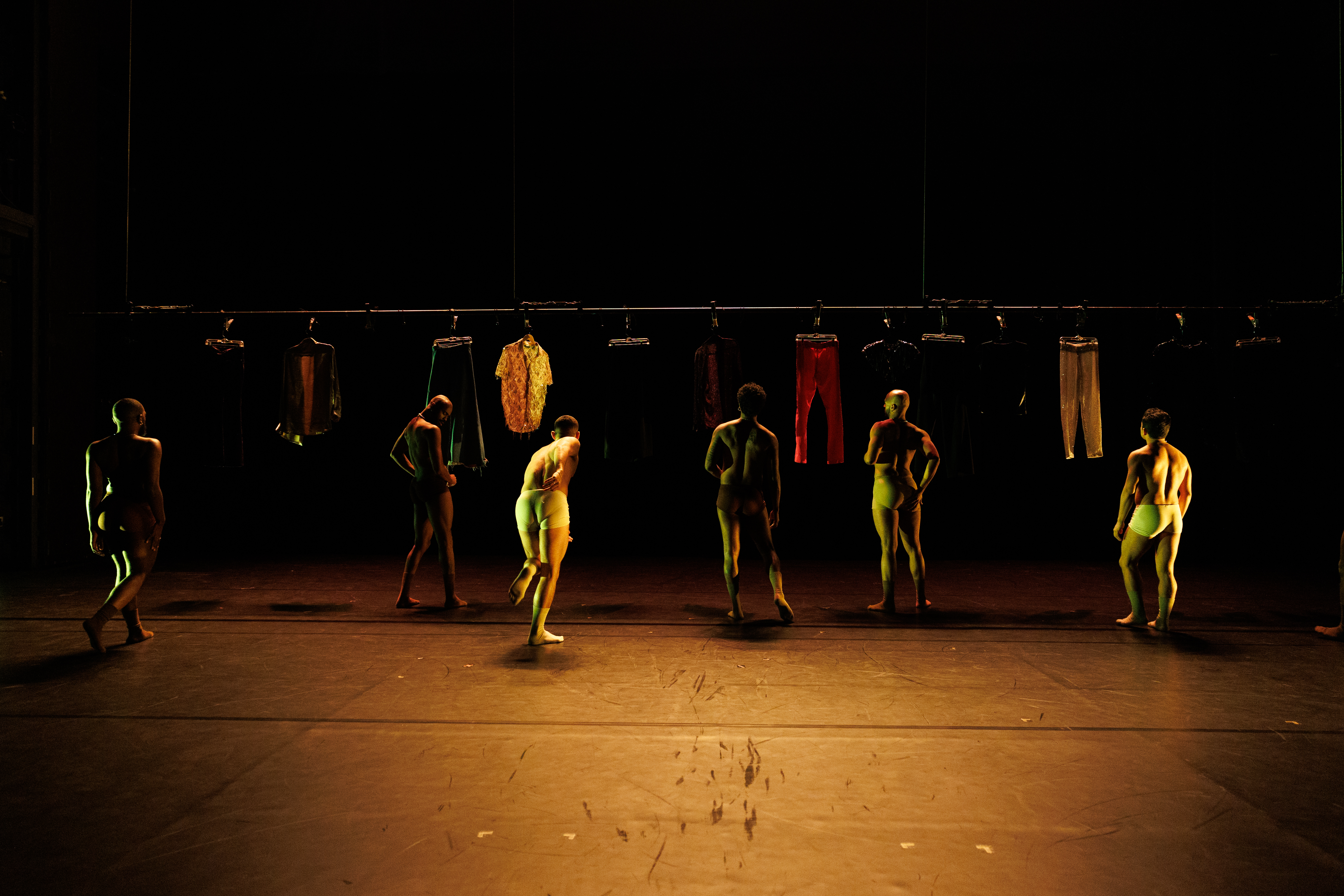
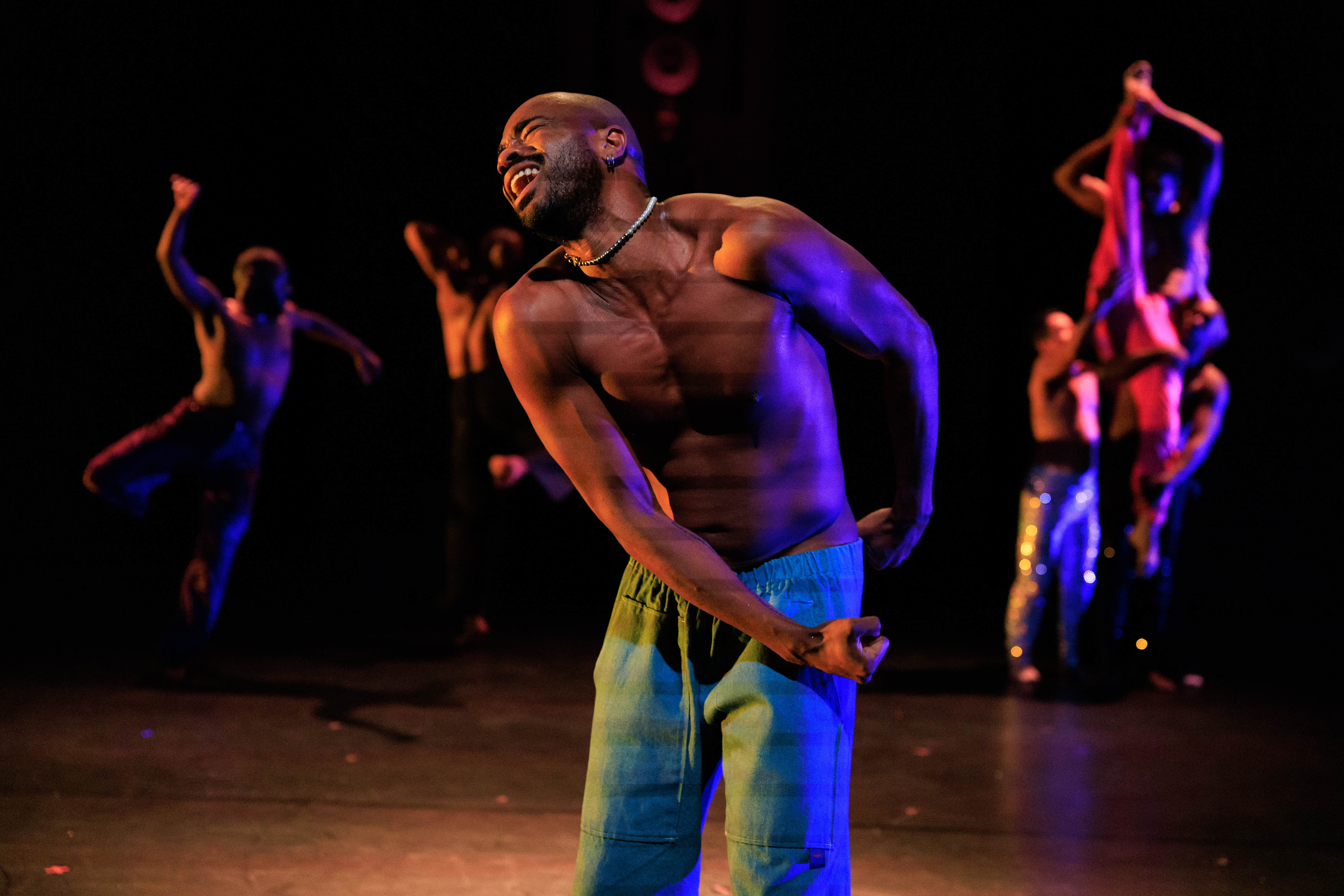
Once transformed into their flamboyant-selves, the party truly began. The beat dropped as the black backdrop lifted revealing DeFacto X standing on his DJ perch. Big beats and familiar grooves were met with Brown’s adept choreographic skill to pair classical modern dance lines (from his Dunham training) with social dance flavors (courtesy of the club). The result was nothing short of triumphant. With additional choreographic contributions by J’Sun Howard, the cast of dancers thrived as they showcased their ability to leap, turn, and partner with absolute ease. Impressive arabesque and attitude turns littered the stage amidst voguing and playful line dances. Each dancer had a moment to show off their unique physical skill and flirtatious style. Things got even hotter as dancers paired and re-paired with new partners in erotic connections before ending in various larger groupings of unabashed pleasure.
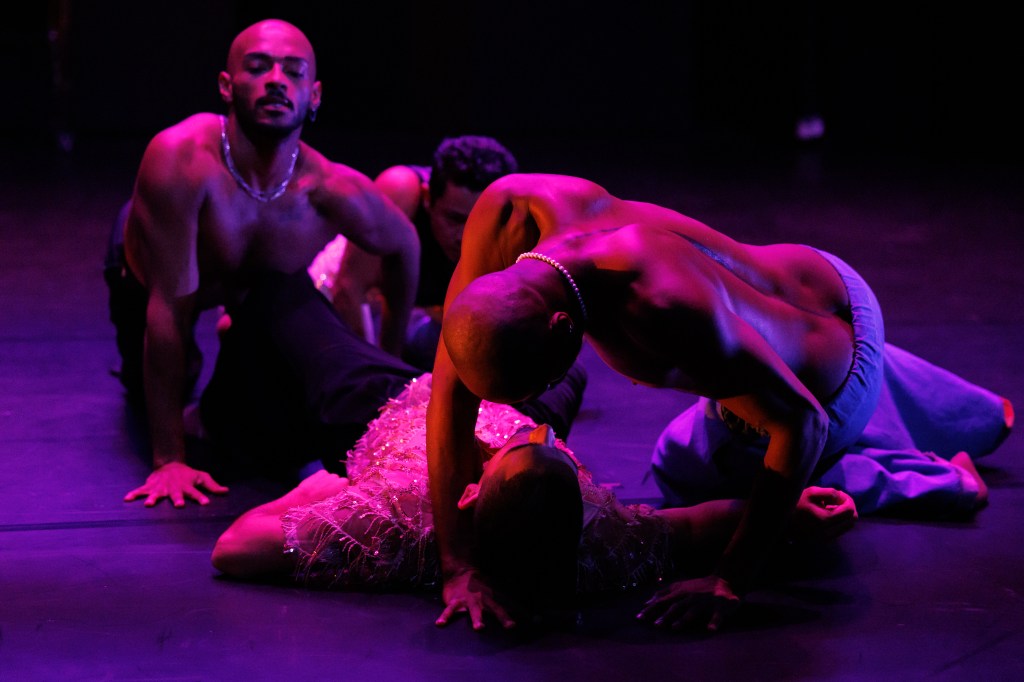

The work was already a triumph of personal power and gay sensuality. However, Brown being Brown, he didn’t stop there. If I have learned one thing about Brown, it is his incredible ability to bring gravity to something beautiful while deftly hooking an audience into moments of hard historical truths with articulate artistry. The boisterous, erotic moments were balanced with a raw truth about an unnamed fatal illness that swept through Black gay communities at the end of the 20th century. DeFacto wove in historical news sound bites from the era of the AIDS epidemic, and things got real. The dancers met the challenge with absolute finesse, transforming themselves from larger-than-life club personas into sensitive, vulnerable, flesh-and-bone beings. The movement vocabulary also changed. The dancers shifted into gestural patterns and torso shapings familiar to postmodern and contemporary concert dance, performed in unison and in canons. The despondency and fear of their reality were expressed through flexing torsos and slashing limbs.
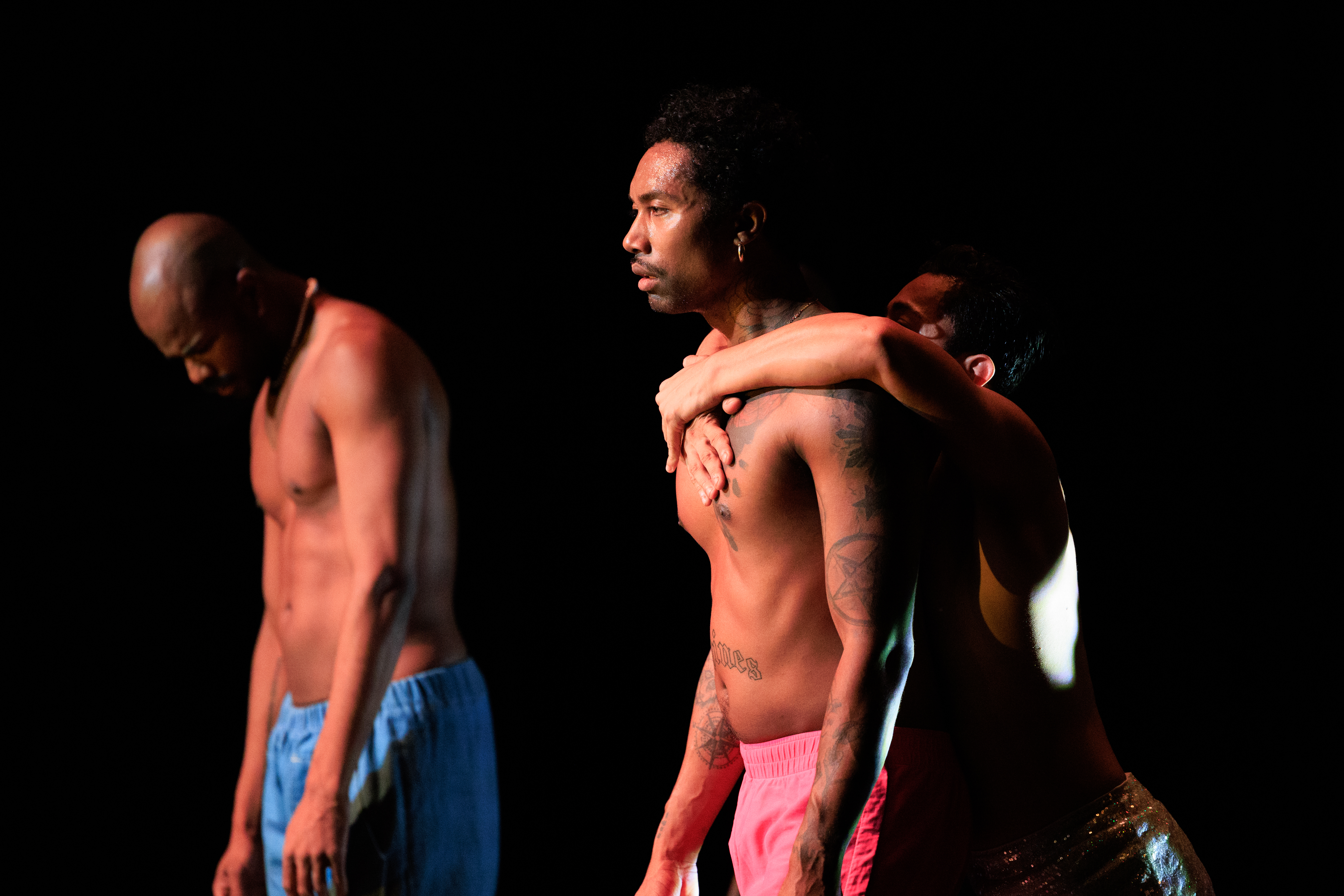
However, Brown being who he is made sure this was not the end either, for Brown’s work consistently centers around the triumph of the human spirit. And thus, we bore witness to the rebuilding of these dancers’ selves through community and courage. Culminating in a cathartic performance to the music of Sylvester, the piece ended on a much-needed note of hope, fearlessness, and resilience of spirit. The dancers revisited select phrase work from earlier in the piece, this time informed by the harsh and painful truths of history, sweetened by resilience and courage, highlighted by strength and uncompromising love. The moment in which cast members lifted the performer in hot pink pants while he was doing the vertical splits embodied this sense of personal excellence, bolstered by the foundational support of a truly incredible community. The piece had the audience on its feet by the end, reminding everyone of the transformative power of dance to tell difficult stories, release unbearable pains, and uplift new potentials for connection and meaning.
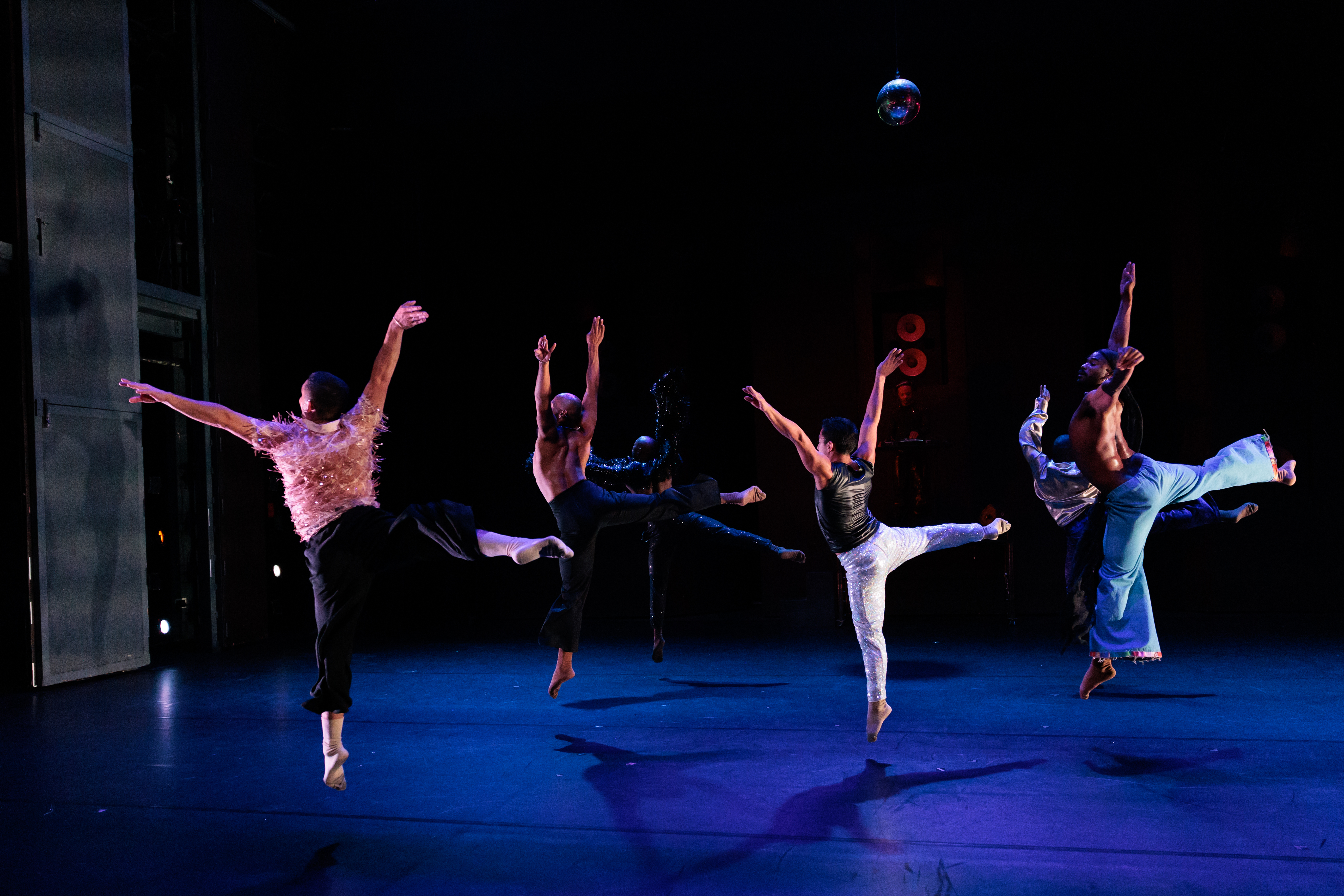
Photo by Angel Origgi.
Curated by Katy Dammers with Rolando Rodrigues through an open application process, the festival aims to uplift new voices, showcase fresh visions, and challenge the expected reality with the artists’ work. This year’s festival intentionally made space for complex queer and intersectional identities. I appreciated the festival’s curatorial commitment to creative risk-taking, which made for an immersive, multidimensional experience. While the technical demands of the transitions meant the show ran well over the stated 90 minutes, the REDCAT team met the technical challenges admirably. With two more weekends of entirely different programming, this festival offers an exciting sampler of contemporary performing arts, including dance, theater, and music, inviting LA audiences to experience new ideas through innovative work that often goes beyond traditional limits.
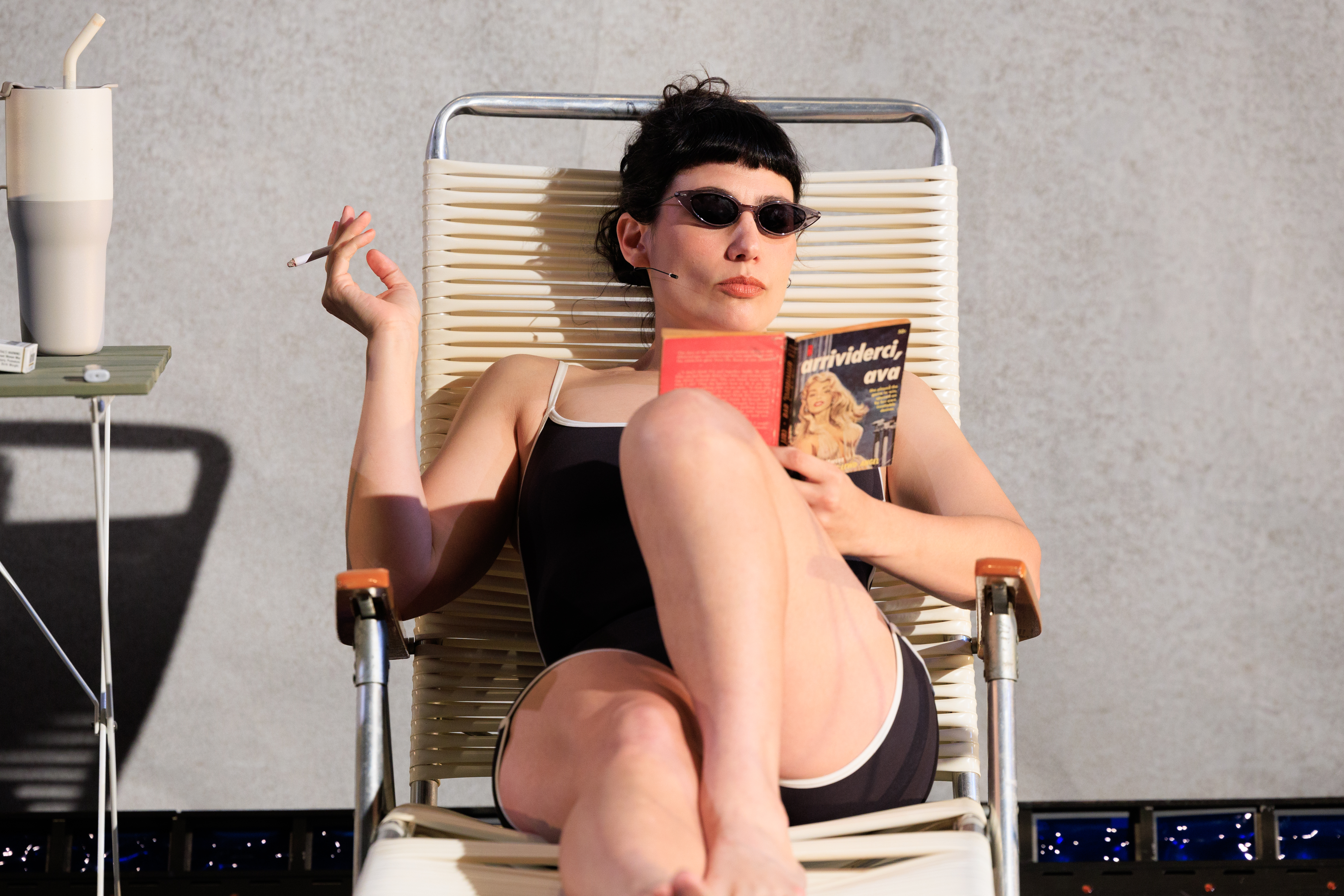
Photo by Angel Origgi.


 LA Dance Review
Leave a comment